How to Measure Linear Guide Play
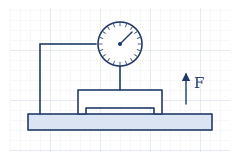
Measure the play in the non-preloaded LRXDG30 before cutting. The pass/fail criteria are provisional and not catalog values.
Plan: When putting up the shelves soon, take out the linear guides and measure them (date TBD). At the same time, also check the length of each rail, joint markings, end hole positions, and the part numbers on all boxes.
What You Need
- Dial gauge or test indicator. One with 0.001 to 0.002 mm graduations is best. A 0.01 mm gauge can only be read down to around 0.005 mm
- Magnetic stand
- Surface plate or thick steel plate
- 2 clamps (use wood blocks or backing plates)
- M8 eye bolt for pulling up (or by hand if you don't have one)
Setup
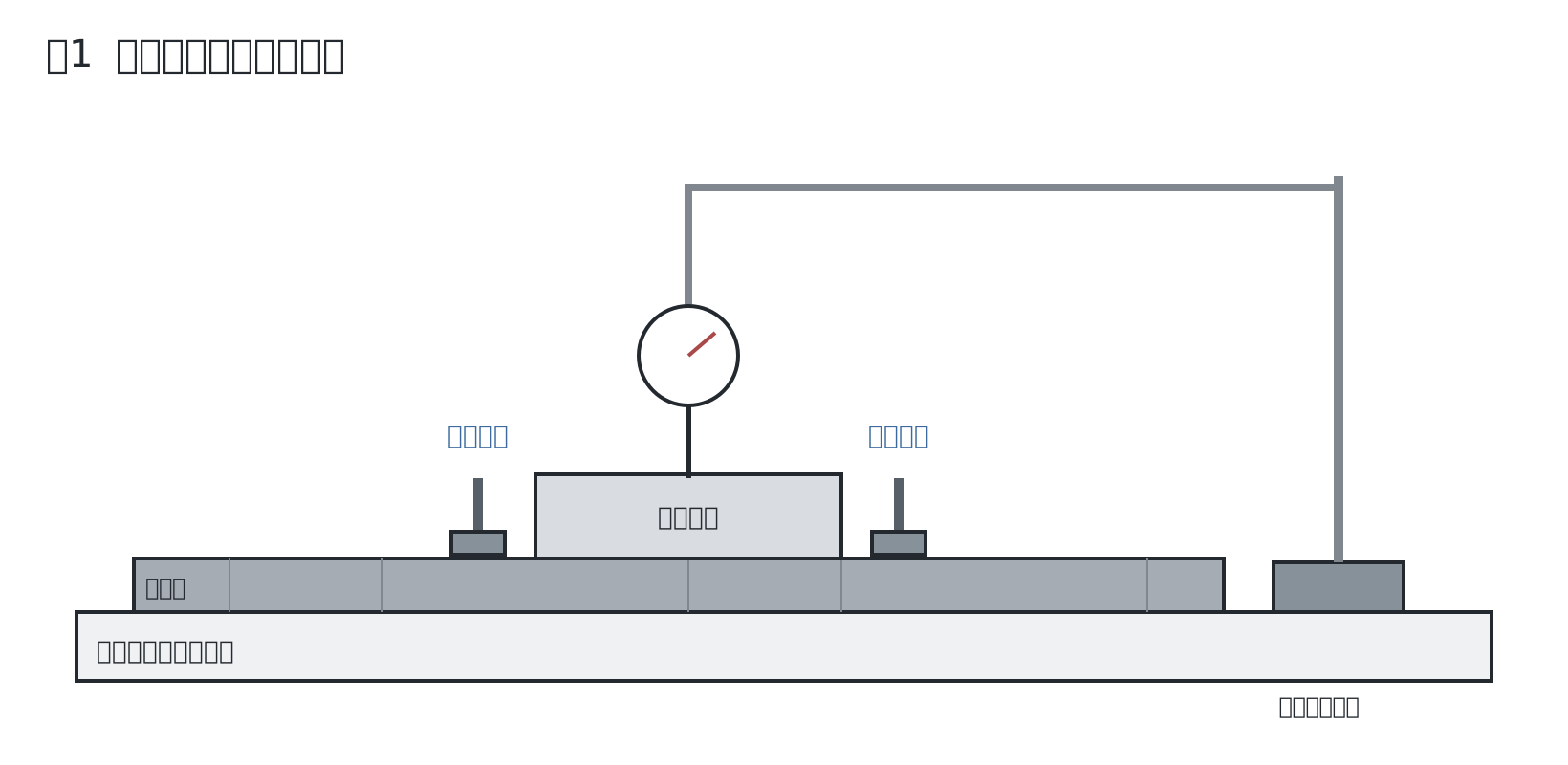
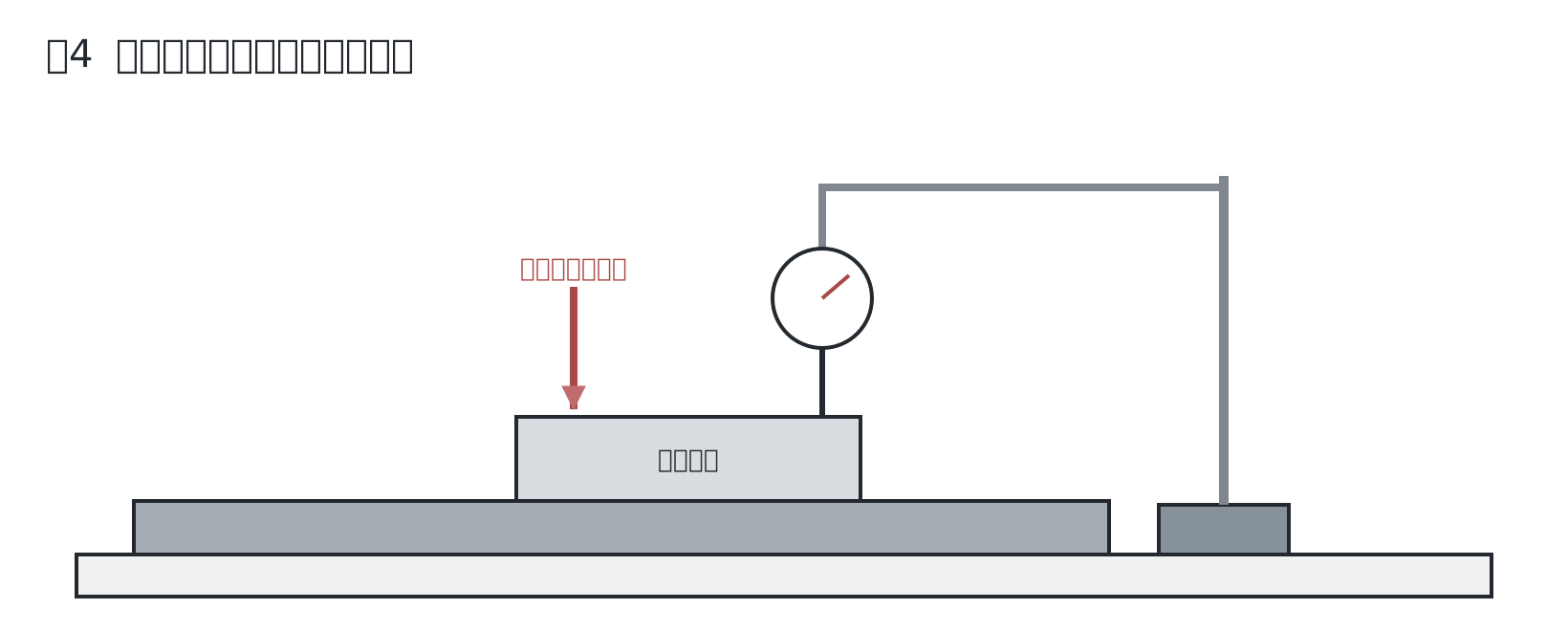
- Place the rail on the plate and clamp it right on both sides of the block. Bolts are even better since there are mounting holes. If the rail lifts up, that movement will look like play
- Place the stand on the same plate as the rail. Keep the arm short
- Do not slide the block off the rail. The rollers might fall out
- Give the gauge tip a little pre-travel and place it perpendicular to the block surface
Vertical
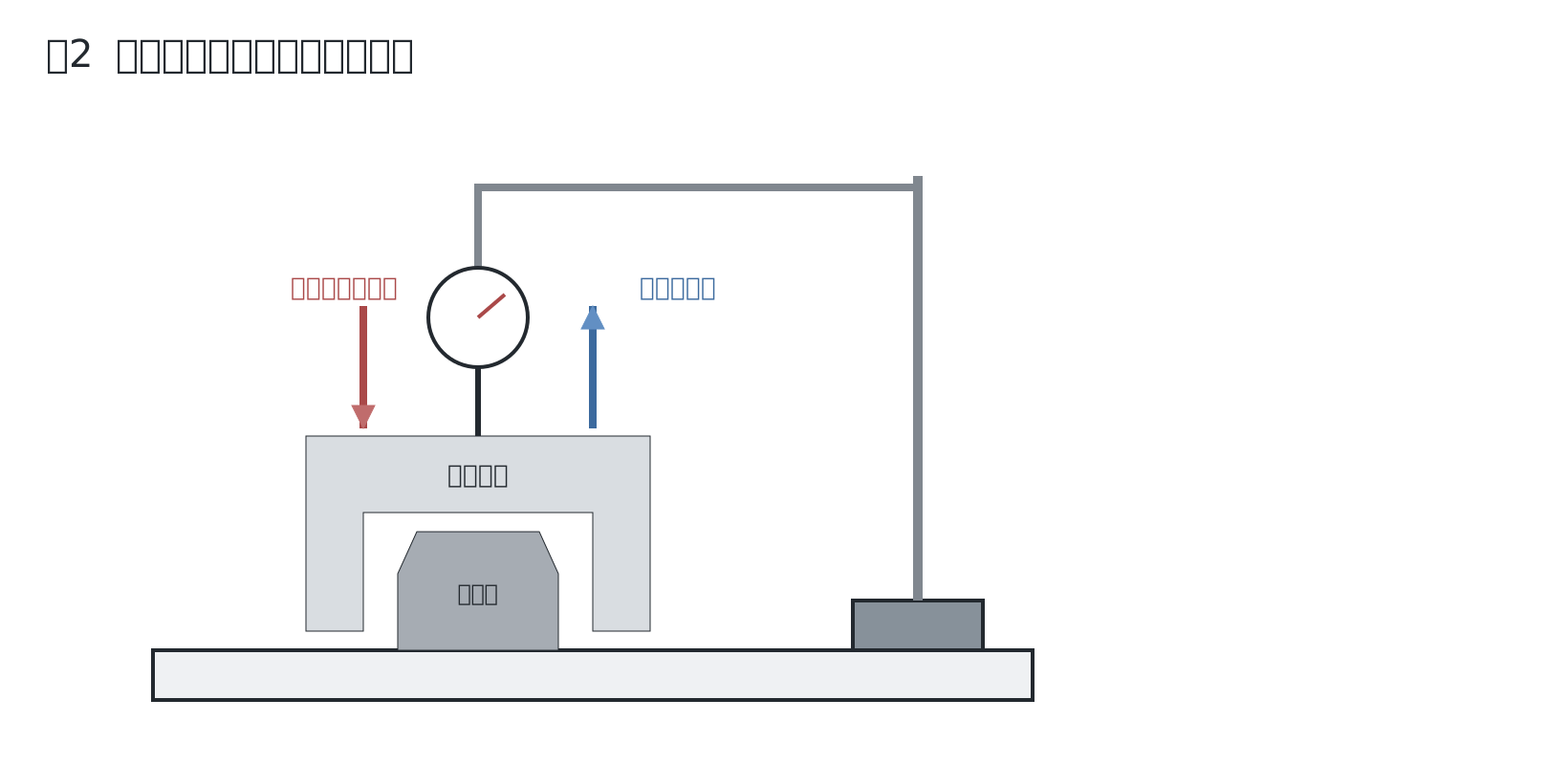
- Place the tip on the center of the block's top surface
- Push down by hand, release it, and zero the gauge there
- Pull upward and record the needle reading. When using an eye bolt, do not bottom it out in the 12 mm deep threaded hole
- Push down to make sure it returns to 0. Repeat 3 times
Horizontal (Left/Right)
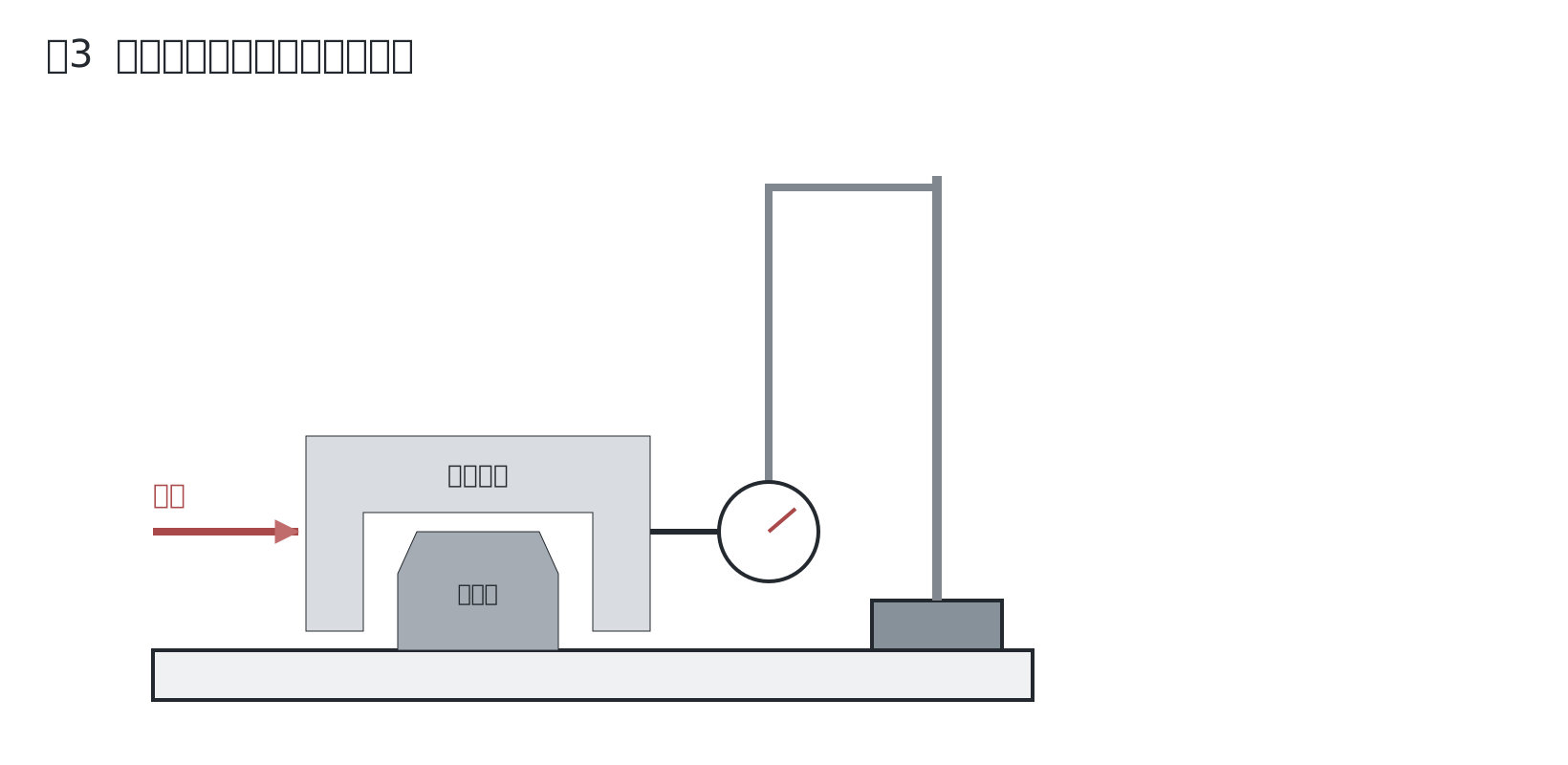
- Place the tip on the center of the block's side surface
- Push from the opposite side, release it, and zero the gauge there
- Push back from the gauge side and record the reading. Repeat 3 times
Tilt
- Place the tip on one edge of the top surface
- Record the difference between the reading when pushing down the opposite edge and the reading when pushing down the edge on the gauge side
Locations and Sample Size
- For each block, measure at 3 points along the rail (one end, center, opposite end). This shows if the play changes with position
- If checking all 4 sets is not feasible, measure 1 block from each set plus the most worn one
- Also note how stiff it feels to slide by hand, any catching, and sounds
Record Sheet
| Box | Block | Location | Vertical mm | Horizontal mm | Tilt mm | Movement |
|---|---|---|---|---|---|---|
| 1 | 1 | End | ||||
| 1 | 1 | Center | ||||
| 1 | 1 | Opposite end |
How to Read the Results (Provisional)
| Vertical or Horizontal Reading | Assessment |
|---|---|
| 0.005 mm or less | Good. Worth trying for milling too |
| 0.005 to 0.02 mm | Drilling is no problem. Confirm milling with test cuts |
| Over 0.02 mm | Milling will be tough. Check the rail clamping and measure again |
Since hand force is small, elastic deformation of the rollers is considered slight, so most of the reading is assumed to be play and movement of the mount. (unverified)
If the reading is large, first suspect the stand, clamps, or rail lifting. Try pushing just the rail without moving the block to check that the needle doesn't move.
QR code for this page
https://robo100.jp/en/000012
No comments yet.